
What image does the word barrio evoke in one’s mind?
For some Americans, the image that materializes is the “hood” as depicted in movies—a deteriorating, working?class neighborhood run, supposedly, by young men who don’t attend school or work. Absent parents. Gang graffiti. Streets one avoids at night and during the day. A place where a politician or developer sees dollar signs and imagines a “revitalization project”—the first step toward gentrifying a community whose cultural history no one has bothered to learn.
But to others, el barrio is nuestra comunidad—familia, amigos, and the unlikely neighbors who become part of our lives simply because we live close enough to talk. Neighbors we would never meet if we stayed closed off, practicing a kind of internal isolationism within our own family walls. Neighbors who might seem out of place to an outsider, but not to us. They were there when we moved in, and they were there long after we moved out. We shared bilingual conversations about family, ailments and remedios, and the state of our worlds. An exchange of language and culture that cannot be seen from simply driving through, day or night.
Two distinctive images, one intricate word.
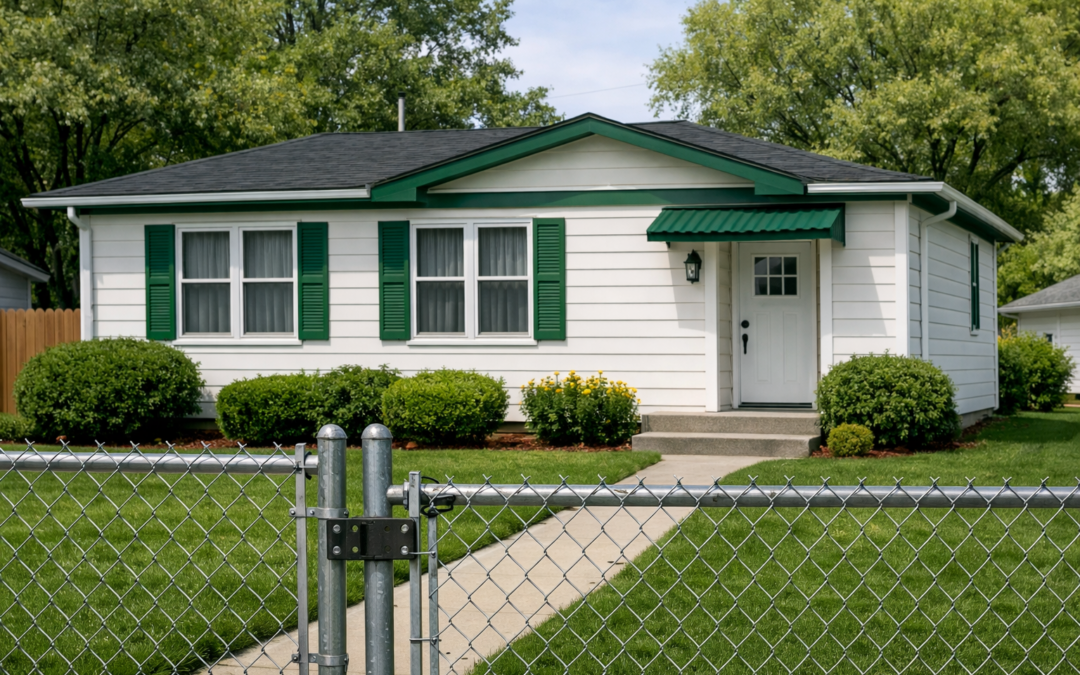
De niña, viví unos años con mi abuela al cruzar la frontera entre México y Estados Unidos. And when I think of el barrio, I think of my Abuela’s neighbor, Mrs. Williams—one of her dearest friends. She lived alone next door and became close to ‘buelita Tere despite their language barrier. Every day, they checked in on each other using the few words they knew in each other’s languages, plus body language, hand signs, Español, English, and everything in between. Even when the message got lost, the intention never did. Their friendship flourished across a six?foot?high chain?link fence.
‘Buelita often sent me to Mrs. Williams’ white house with the green trim—to ask a question, deliver sopita con frijoles fritos y tortillas de maíz, or borrow her telephone. I was fascinated by her warm, welcoming home: photos covering the walls, modern furniture with candy dishes, and the cutest kitchen—straight out of a 70’s TV show or the toy kitchens in holiday catalogs. Her house felt perfect: a green front lawn, a welcoming door, and a kitchen with all the modern appliances one could wish for. To me, Mrs. Williams’ home was enchanting.
Looking back, I realize she may have been the only Black woman living in a largely Chicano and immigrant barrio. As a child, it never occurred to me that she might have felt alone or outside the community. Mi abuela, with her broken English and open heart, may have been the only vecina who spoke with her—sometimes through me, interpreting their fence?line conversations. I got to know her well; I even met her daughter once when she came to visit. I felt like I was part of their little friend group.
After mi abuelita moved out to live with us, I don’t remember what became of Mrs. Williams. But I treasure the friendship she shared with my grandmother and with me. She is one of the many images that come to mind when someone—often a student—misuses the word barrio to imply a rundown, sketchy, dangerous neighborhood.